1. Hard surfaces
Glass, metal, sealed wood and plastic are cleaned with products matched to the agent.
South Hill, WA · Pierce County
Need help after tear gas or pepper spray in South Hill that you cannot clear with fresh air? Call (877) 812-4220 day or night. You get crews for residue, odor and every affected surface.
If anyone is in danger, call 911 first. For a suicide crisis, call or text 988.
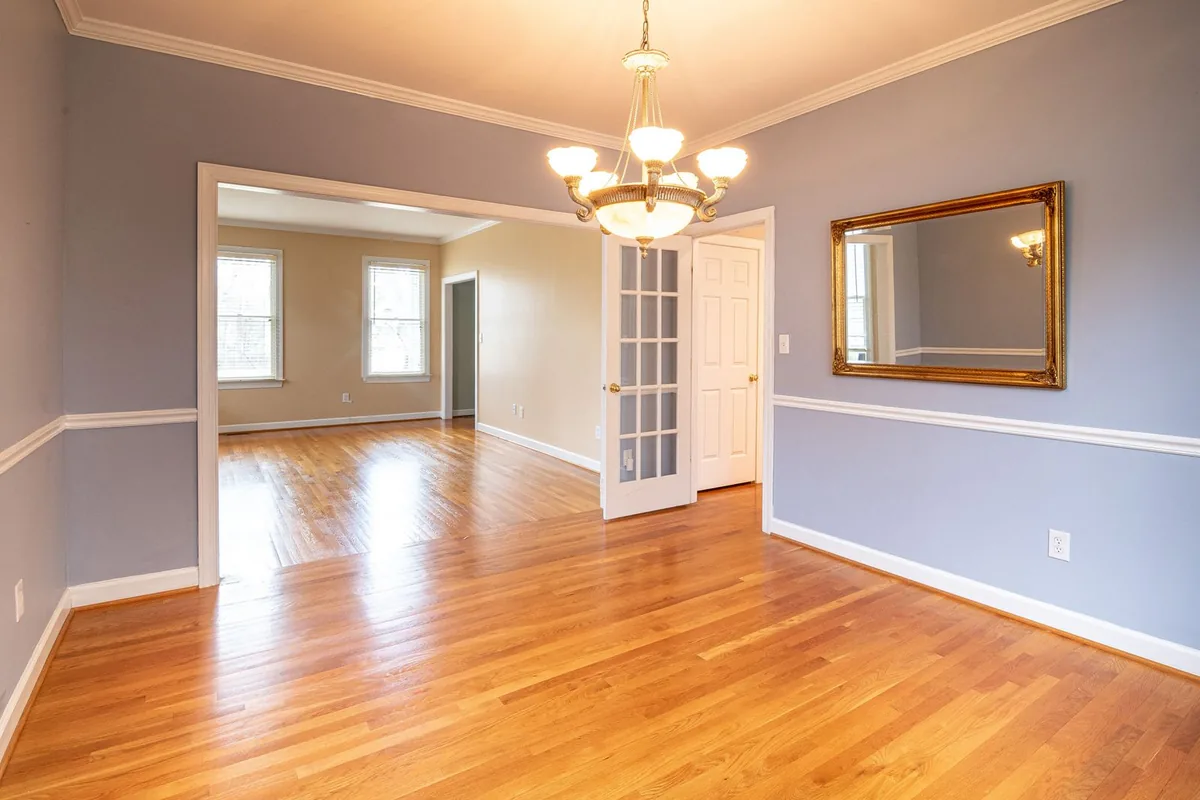
Tear gas cleanup, also called tear gas removal, is the process of finding where irritant particles settled, removing them with the right products and checking that the space is safe to enter again.
If tear gas or pepper spray was released in your home, apartment, business or vehicle in South Hill or elsewhere in Pierce County, call South Hill Biohazard Cleanup Help. You get a cleanup team in protective gear that keeps details private.
Only about 30% of households in South Hill rent, so most tear gas cleanups are booked by homeowners and their insurers. July highs near 76 degrees in South Hill are milder, but heating and cooling systems still move residue through ducts.
A typical tear gas & pepper spray cleanup job includes:
Glass, metal, sealed wood and plastic are cleaned with products matched to the agent.
The area is sealed, the air system is shut down and isolated, and the crew works in protective gear.
Surfaces are cleaned in a set order, from the cleanest area toward the most affected one, with fresh materials at each stage.
A final inspection and a set of records finish the job, so tenants or staff can return.
Expect tear gas & pepper spray cleanup in South Hill, WA to cost roughly $1,500 to $50,000, with the final price set after an on-site assessment.
A single room with hard floors is a smaller job than a whole building where the air system ran and spread residue through the vents.
| Type of job | Typical range |
|---|---|
| Commercial property | $10,000 - $50,000+ |
| Small apartment | $1,500 - $4,000 |
| Single-family home | $3,000 - $10,000+ |
Estimates only, not a quote. Sources: Tear gas cleanup cost guide. Price drivers include property size, air system involvement, materials affected, time since exposure. Call (877) 812-4220 to talk through the job.
Rules for hazardous residue vary by state, county and city. Waste may need special handling and cannot always go in the regular trash. Ask the local health department or fire department what applies.
Ask what training the crew has, how it disposes of waste, how it documents the work and what protective gear it uses. A good company explains the plan before work starts.
Tell the landlord or property manager right away. The lease and local law decide who pays. A landlord, an attorney or a tenant rights group can explain.
If the heating or cooling system ran, it may have pulled irritant particles into vents and ducts and moved them to other rooms. Crews isolate and clean the system so residue does not spread again.
Tear gas is a group of irritant agents, usually fine solids, such as CS, CN and CR. Pepper spray, or OC, is made from chili pepper extract in an oil base. They behave differently, so cleanup methods differ.
Do not hose it down or wipe it around. Particles and oil spread when disturbed. A professional crew uses protective gear, lifts residue from the surface and disposes of it as hazardous waste.
One call starts the process, and no details are required up front.
Call (877) 812-4220